Top Gutter Installation Standards for Extreme Weather
In Logan, Queensland, intense summer downpours, thunderstorms and windblown debris can push roof drainage systems beyond their capacity. Reliable gutter installation requires more than choosing a large gutter: the complete system must collect, convey and discharge water without directing it into the building. These practical standards help Logan property owners assess quotes, plan upgrades and improve home exterior protection.
1. Design for Local Rainfall and Current Requirements
In 2026, expert gutter installation should follow the National Construction Code requirements applicable to the project, relevant Queensland provisions and the applicable edition of AS/NZS 3500.3 for stormwater drainage. Confirm approval requirements and contractor licensing with the relevant authority before work begins.
Drainage calculations should account for local design rainfall intensity, effective roof catchment area, roof configuration, gutter profile and outlet capacity. There is no universal gutter size or downpipe spacing suitable for every Logan property. Large roofs, valleys and concentrated discharge points require particular attention.
Ask for comprehensive drainage solutions that address the whole water pathway, rather than a quote based only on the length of gutter being replaced.
2. Provide Safe Overflow and Effective Discharge
During exceptional rainfall or a blockage, gutters need a compliant overflow arrangement that releases water outside rather than into eaves, wall cavities or ceilings. High-fronted gutters deserve particular scrutiny because their appearance can conceal an unsafe overflow pathway.
Effective exterior water management also depends on what happens below the downpipes. Discharge must connect to an approved stormwater arrangement appropriate to the property. Simply emptying a downpipe beside a footing can undermine foundation water diversion and exterior moisture control.


- Confirm that roof valleys discharge into adequately sized collection points.
- Check that overflow paths remain effective when gutter guards are fitted.
- Provide access for clearing outlets, downpipes and rainwater heads.
- Keep stormwater separate from sewer drainage unless an expressly authorised arrangement applies.
- Assess the downstream drainage system before increasing roof-water discharge.
3. Specify Compatible Materials and Secure Supports
Choose materials for the exposure conditions
Coated steel and aluminium are common options, but material selection should consider corrosion exposure, nearby vegetation, roof materials and manufacturer requirements. Copper gutter installation needs careful detailing: copper runoff and direct contact can accelerate corrosion of incompatible metals, including aluminium and zinc-coated steel.
For aluminum gutter repair, the contractor should assess remaining metal thickness, joint condition and the cause of leakage before recommending a patch. Widespread corrosion, repeated joint failure or insufficient capacity may make gutter replacement more practical than repeated gutter repair.
Match brackets and fasteners to the system
Bracket spacing, fixing type and substrate strength must suit the product, anticipated loads and exposure. Gutters need a sound fascia or other suitable support; fastening new gutters to deteriorated timber does not provide dependable building envelope protection. Installers should also allow for thermal movement and establish the fall required by the drainage design and manufacturer.
4. Demand Accurate Custom Fabrication Where Needed
Unusual roof geometry, box gutters and commercial rainwater heads may require custom metal engineering and custom https://roofcleaninglogan.com.au/about/ metal fabrication. Accurate folds, compatible sealants and correctly detailed joints matter more than promotional claims about advanced metal production or expert metal manufacturing.
Where a supplier uses cnc metal cutting, check how cut edges are finished and protected. Comprehensive metal services should include suitable material specifications and installation details, not just fabrication. For complex commercial gutter services, request documented outlet, overflow and access arrangements before approving manufacture.
5. Treat Gutter Guards as Protection, Not Extra Capacity
Gutter guard installation can reduce leaf accumulation, particularly near trees, but it does not eliminate gutter cleaning. Fine debris, seed material and sediment can still collect beneath screens or obstruct outlets. Some products can also restrict water entry during heavy rain.
Choose advanced gutter protection that is compatible with the roof and gutter profile, permits inspection and preserves required overflow paths. Ask how the guard performs under concentrated valley flow. Comprehensive gutter solutions should include a maintenance plan rather than a promise of maintenance-free gutter protection.
6. Coordinate Roof Cleaning and Solar Equipment
Use cleaning methods suited to the roof
Comprehensive roof cleaning can help identify debris sources and drainage defects before installation. However, aggressive exterior roof washing can damage coatings, force water beneath roof coverings or disturb seals. For Colorbond roof cleaning, follow the roofing manufacturer’s current care instructions.
When comparing expert roof cleaning, advanced roof cleaning or certified roof cleaning providers, verify training, insurance and the relevance of any claimed certification. Eco-friendly roof cleaning still requires appropriate chemical handling and runoff control. Commercial roof cleaning and exterior home washing should not leave sludge or wash water blocking the new drainage system.
Keep solar work separate but coordinated
Commercial solar panels and grid-tied solar panels can change roof access requirements and concentrate runoff at panel edges. Coordinate gutter work with appropriately licensed electrical contractors and expert solar panel services; gutter installers should not move electrical equipment unless authorised and qualified.
Whether a proposal advertises advanced solar services, comprehensive solar solutions or custom solar solutions, confirm that panel placement preserves drainage and maintenance access. Advanced solar technology supports electrical energy conversion, but it does not increase gutter capacity. Likewise, claims about clean energy technology, green energy technology, alternative energy sources, energy efficiency solutions or comprehensive energy solutions are not evidence of compliant stormwater design.
7. Inspect the Finished System and Plan Maintenance
Before handover, request an inspection of gutter alignment, fixings, joints, outlets and overflow provisions. A controlled water test can reveal some leaks and drainage problems, but it does not prove performance under design-storm conditions or replace drainage calculations.
Arrange gutter maintenance before Logan’s storm season and after significant debris-producing weather, where safe. Overflow, persistent ponding, loose brackets and damp fascia boards warrant prompt investigation. Gutter downspout repair or broader gutter system repair should address the underlying blockage, support failure or sizing problem—not merely the visible symptom.
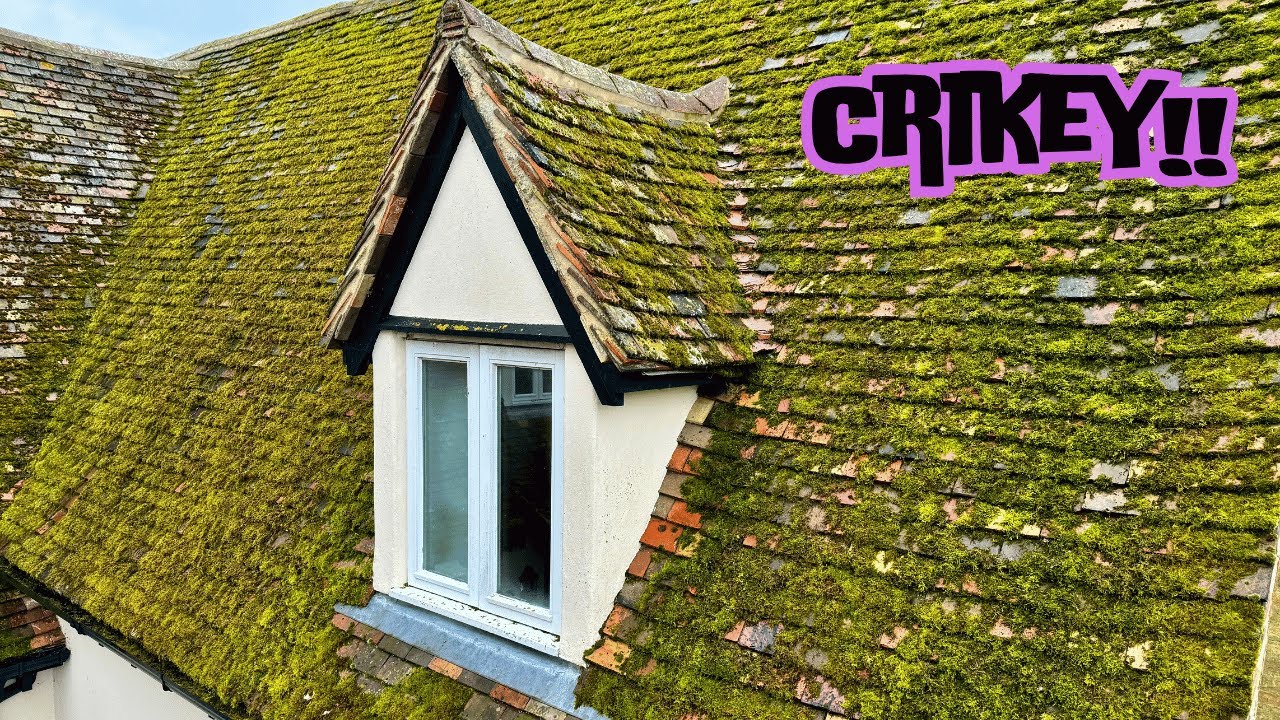
For a useful local quote, request the proposed materials, drainage design basis, overflow details, discharge connection, maintenance requirements and warranty terms in writing. These specifics make it easier to compare contractors and choose a system built for Logan’s weather.
Logan Roof Cleaning Pros
Unit 8 13/15 Ellerslie Rd, Meadowbrook QLD 4131, Australia
(07) 4803 1388